
Royal Botanic collaboration delivers sustainable drainage insights
The RBGE is a world-leading botanic garden and a global centre for biodiversity science, horticulture and education. Its mission is to explore, conserve and explain the world of plants.
The first initiative – a pilot in Edinburgh’s Craigleith area, led by Scottish Water – involved the installation of free water butts and Sudsplanter-supplied sustainable drainage planter systems at 27 residential properties. The aim was to reduce surface water entering the combined sewer system from domestic roof-tops and help mitigate flooding downstream.
In addition to supplying the systems, Sudsplanter engaged directly with residents to understand their needs and determine the most suitable solutions for each property. The team also provided installation training to Scottish Water’s teams.
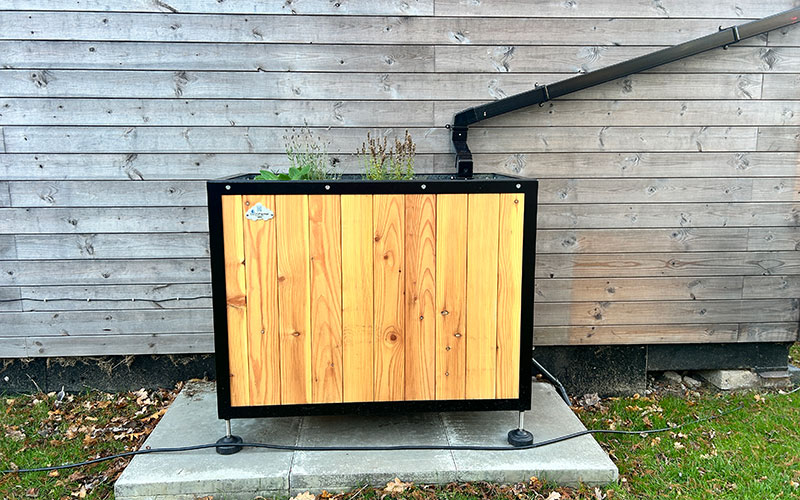
The RBGE’s globally recognised scientists and horticulturists were involved throughout the project. They helped in many ways, including selecting appropriate plants for the units and designing planting palettes that were effective in absorbing water into the soil, resilient to varying weather conditions and visually attractive.
The pilot was part of a wider project to tackle flooding in the Craigleith area through the Edinburgh & Lothian Strategic Drainage Partnership, of which Scottish Water is a member.
Scottish Water project manager Ed Ptolomey said: “By utilising nature-based solutions like these to reduce the amount of rainwater that enters the public sewer system, we can reduce the frequency and severity of flooding from the sewer network when it becomes overloaded. As well as helping to support our traditional infrastructure, these schemes also create attractive green spaces for people and wildlife to make use of.”
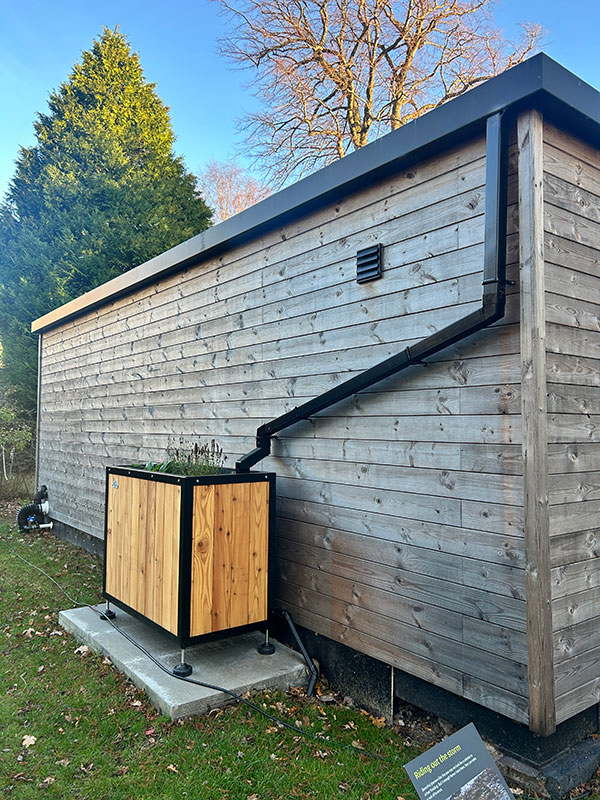
Isla Kendall, PhD student at RBGE and Heriot Watt University, who took part in the research, said: “It was great to be involved in the stormwater pilot with Scottish Water and Sudsplanter. Plants play a crucial role in these systems by helping water soak into the soil and releasing it back into the air through transpiration.”
Research into performance
Building on the Craigleith pilot, the second project forms part of Kendall’s PhD research, exploring soil and plant performance within Sudsplanter systems.
Her research focuses on how different planting mixes influence water retention and resilience under changing climate conditions. Using sensors to monitor plant health, soil moisture and how water moves through the system, Kendall aims to understand how different plant choices influence the functioning of the planters.
Reusing felled timber
The third collaboration saw Sudsplanter provide bespoke planters for RBGE’s SuDS demonstration project – a ‘living lab’ designed to test and showcase SuDS and their components, from soils and plants to engineered materials both above and below ground.
In keeping with RBGE’s commitment to sustainability and local resource use, the project explored how materials from the Garden’s own estates could be incorporated into product design.
Larch softwood felled from RBGE’s Benmore site in Argyll was selected and supplied for the planters fulfilling the goal of using the gardens’ own timber. Several measures were taken to minimise the project’s carbon footprint.
Timber was initially processed at Benmore to remove waste before transportation. The timber was then transported to Sudsplanter’s fabrication facility in Wales, where it was crafted by the company’s skilled carpentry team into custom cladding. All deliveries and collections were coordinated using return-load lorries wherever possible, reducing empty journeys and making efficient use of road miles.
Developing this circular supply chain presented both logistical and technical challenges – from specifying suitable timber dimensions and moisture content to coordinating low-carbon transport with hauliers returning from Scotland.
Sudsplanter director Lorna Davies said: “These three projects with the Royal Botanic Garden Edinburgh are all delivering valuable insights to encourage the wider rollout of SuDS initiatives.
“The pilot with Scottish Water brings many benefits for Craigleith residents and will help inform similar sustainable projects for utilities. It’s been a delight to see the SuDSPlanters flourish and to hear such positive feedback from residents.
“For us, the work opened further opportunities to collaborate with the Royal Botanic Garden Edinburgh. We’re proud to support Isla Kendall’s research into more resilient ways of embedding SuDS greening and identifying the best plant species for the job.
“Research like this helps us understand plant performance and soil health, demonstrating how our planters provide resilience in both drought and flood conditions, while also supporting urban biodiversity and improving water quality.
“Additionally, creating a bespoke planter for RBGE’s own SuDS project was fantastic – to be able to process home-supplied timber fits with our environmental ethos and supports customers on their own circular ambitions. For a small company like ours, collaborating with a leading organisation on this kind of R&D is a real win-win.”