SuDS role grows under new water rules
The report, released on 21 July 2025, strongly supports the use of nature-based solutions like SuDS to reduce storm overflows, manage flood risk and create healthier urban environments. It recommends legislative reform to embed SuDS more widely in drainage planning and calls for stronger coordination between developers, planners and water companies.
This aligns with recent changes to legislation: under the Water (Special Measures) Act, in force since 23 June 2025, water companies in England and Wales are now legally required to consider nature-based solutions within their statutory Drainage and Wastewater Management Plans. They must explain if and how they are using SuDS and other interventions to reduce pressure on the sewer network and mitigate surface water flooding.
In parallel, the government has released new standards for SuDS in England – the first update to national standards in a decade. Aimed at designers, property developers, local authorities and other interested parties, the non-statutory guidance advises on design of SuDS for new developments.
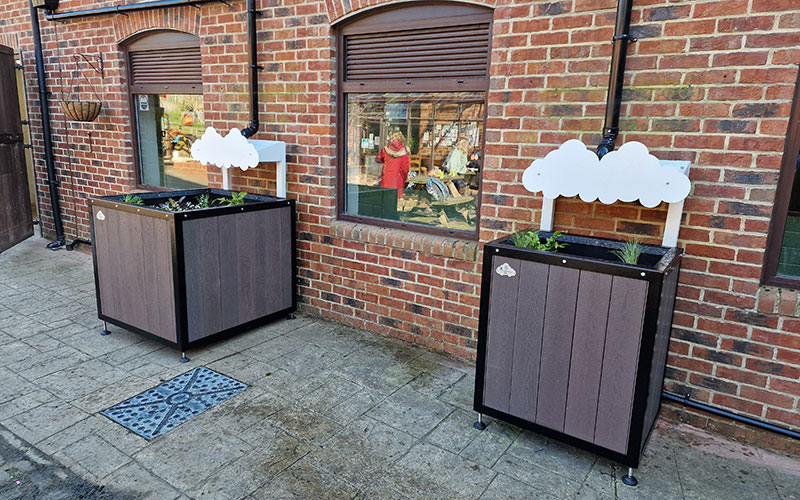
New legislation and national standards signal a positive trend toward broader adoption of SuDS. As a supplier of the SuDSPlanter® systems, we work closely with the water sector – as well as local authorities, businesses and developers – to incorporate sustainable drainage into their operations and community settings.
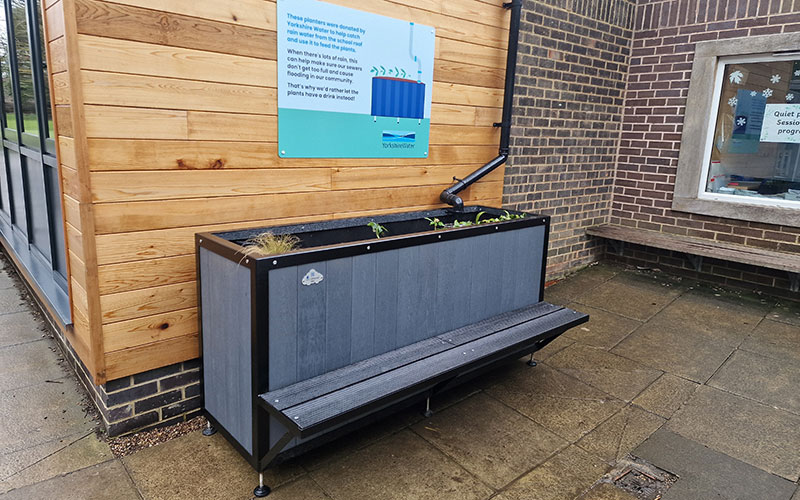
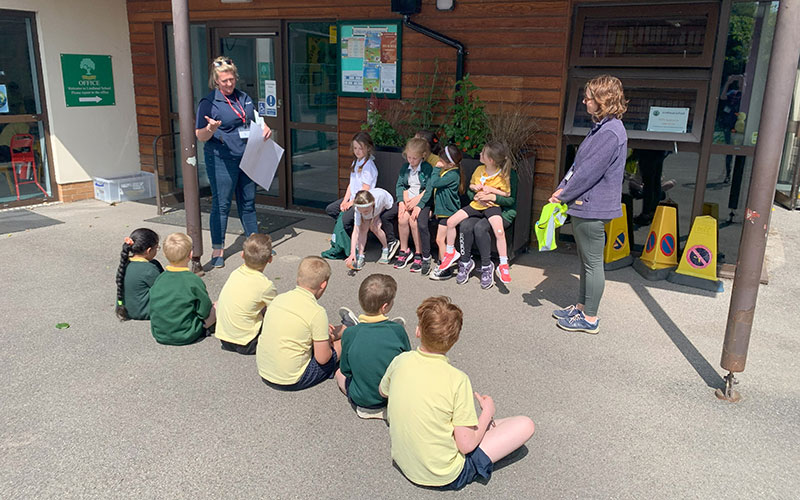
Most recently, we partnered with Yorkshire Water to install 49 planter systems across 15 primary schools and one farm in areas vulnerable to surface water flooding, capturing up to 18,700 litres of rainwater, helping to reduce pressure on the sewer system during storms.
Under the new legislation, performance data like this, established through instant drainage modelling, will be essential for water companies writing their drainage plans – which must now consider sustainable drainage.
The modelling, carried out by an independent civil engineer and hydraulics specialist, simulates how our planter systems of varying sizes, against varying roof areas, behave under a range of wet and dry weather conditions.
For developers specifiers and designers, such calculations can support planning applications by demonstrating how any SuDS within their designs can reduce the risk of flooding downstream.
Crucially, there is also the biodiversity net gain by creating and enhancing habitats within developments. Our planter systems, designed to ensure maximum plant health, can demonstrate a measurable increase in biodiversity.
Maintenance
It is good to see a section on maintenance in the new national standards – poorly maintained SuDS can fail to deliver their intended benefits. We would certainly advise, those managing SuDS installation projects – particularly on third party land – consider maintenance agreements. These should include confirmation of who will be responsible for maintaining the asset in the future.
Of course, SuDS are only part of wider strategy for sustainable management of wastewater – they do not address domestic waste or grey water, which require separate solutions – but the increasing prominence of SuDS, through these policies, is a positive step forward in creating climate resilience communities. We look forward to supporting more organisations on this journey.